

We don’t talk enough about orgasms that don’t happen. Probably because it’s awkward. Or because we assume men can climax on demand, like clockwork. But it’s not always the case – and if you’ve ever been mid-action and realized uh, something’s not quite working the way it’s supposed to? It’s more common than you might think.
The clinical term for this phenomenon? Anorgasmia. Not the sexiest word, I know. But if you’ve landed here because things aren’t firing the way they used to (or at all), let’s unpack what’s going on.
What Is Anorgasmia?
Anorgasmia is the medical term for difficulty reaching orgasm—even with stimulation. And no, this isn’t just about not being “in the mood.” We’re talking about situations where the desire is there, the effort is there, maybe even the erection is there—but the grand finale? Nowhere to be seen.
Some men can’t orgasm at all. Others can, but only under specific conditions, or it takes so long it becomes frustrating. And no, we’re not just talking about older men either.
Common Symptoms of Anorgasmia
Let’s be clear: it’s not just about frequency. If it happens once in a blue moon, especially after a few too many drinks or a stressful week, that’s probably not anorgasmia. But if it’s becoming your new normal, or it’s creating anxiety or tension in your relationship (or solo life), that’s worth looking into.
The most obvious symptom? Inability to reach orgasm despite wanting to, and trying to. But other signs include:
- Needing increasingly intense or specific stimulation to finish
- Delayed orgasm that feels like a mental or physical block
- Feeling emotionally disconnected during sex, or “numbed out”
- Frustration, confusion, or guilt around sexual performance
And no—this isn’t something to just “push through.” It’s your body trying to tell you something.
What Causes Anorgasmia in Men?
Anorgasmia can be caused by a mix of physical, emotional, and even medication-related factors. (Yes, antidepressants—we see you.)
Some of the most common causes include:
- Medications like SSRIs, blood pressure meds, or opioids
- Anxiety, depression, or performance pressure
- Low testosterone levels
- Nerve damage—especially after surgeries, injuries, or conditions like diabetes
- Pelvic floor dysfunction or tension
- Relationship stress or emotional disconnect
There’s also something called situational anorgasmia, which means you can orgasm in some situations (like alone), but not during partnered sex. This can be psychological, emotional, or even just a response to overstimulation or a lack of it, depending on the context.
Diagnosis and When to Seek Help
Let’s get this out of the way: going to a doctor about your orgasms might feel awkward. But it’s a lot more common than you think, and a good urologist or sexual health specialist will not be shocked when you bring it up.
Diagnosis usually starts with a chat about your symptoms, your health history, any medications you’re taking, and your mental well-being. Blood tests might be done to check hormone levels. And if needed, a physical exam or referral to a specialist could follow.
The general rule is simple: if it’s interfering with your quality of life, your self-esteem, or your relationship, don’t wait. Ask for help and get it sorted.
Treatment Options for Anorgasmia

Treatments vary depending on the root cause, but there are options. If medication is the culprit, your doctor might adjust the dose or switch prescriptions. If it’s hormone-related, testosterone therapy may be explored. For psychological causes, therapy (especially sex therapy) can be hugely helpful—and not in a “lie on a couch and talk about your mother” kind of way. More like: let’s figure out why your brain and body aren’t syncing up.
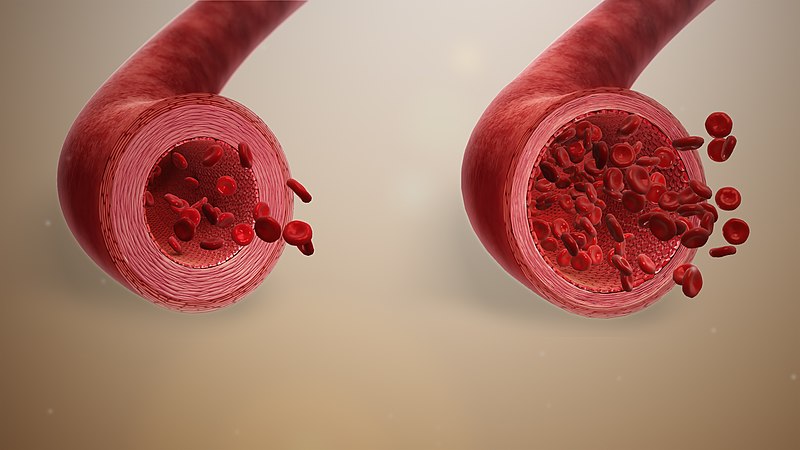
Some men find that improving their pelvic floor health makes a difference, while others benefit from enhancing blood flow, increasing stimulation, or incorporating trusted devices into their routine.
Coping with Anorgasmia
It’s easy to go into panic mode, feel broken, or like your masculinity has taken a hit. But please hear this: you are not broken. This is something many men deal with—and most just never talk about it.
Try not to define your sexual worth by whether or not you orgasm. Focus on connection; pleasure, presence, touch. Communicate with your partner—yes, even if it feels uncomfortable. Let them know it’s something you’re working on, and not a reflection of their desirability.
And if you’re flying solo right now? Use that time to learn what does feel good, rather than obsessing over what doesn’t. Progress often starts with understanding, not pressure.
And if your inability to orgasm comes from ED-related fears, sex-enhancing tools can also help! Our Bathmate signature penis pump, for example, can make your erections thicker and last longer, which can help take pressure off your brain when you’re getting down to business. Take a look at some honest experiences from pump users to see how our device might be able to help.
Final Thoughts
Anorgasmia isn’t the end of your sex life. Not even close. It’s a sign that something needs attention—whether it’s physical, mental, emotional, or a mix of all three. And while it can be frustrating, it’s also treatable. Manageable. Fixable, in many cases.
So if you’ve been silently dealing with this, or brushing it off as “just a phase,” this is your sign to look a little deeper. You deserve pleasure, connection, and confidence in your sex life. Full stop.





Partilhar:
Ejaculação retrógrada: causas, sintomas e opções de tratamento
Relação aberta: o que é e como funciona?