

A sore, red patch of skin on the penis is easy to notice and easy to overthink. Most of the time, it's nothing more than friction burn or chafing, one of the most common minor skin complaints a penis can have. It's rarely about hygiene, and rarely about infection.
Knowing what caused it and when redness is genuinely nothing versus when it needs a doctor's attention turns a quick check into an actual answer.
What friction burn and chafing actually are
Skin is tough, but it has limits. Rub it against something for long enough, whether that's fabric, another surface, or itself, and the outer layer starts to break down. The result is red, raw, stinging skin. Sometimes it feels tight. Sometimes it swells slightly. It's always annoying, and it's rarely subtle about announcing itself.
You've felt this before somewhere else on your body. The blister after a long walk in new shoes. The raw patch under your arm on a scorching day. Same mechanism, just a more sensitive location this time.
The penis draws the short straw here. The skin is thinner and more sensitive than most of the body, with less padding between the surface and the nerves underneath. It chafes faster, and you feel every bit of it when it does.
Common causes
Friction burn on the penis comes down to two ingredients: friction and moisture. Usually, both are working together against you. Here's what tends to set it off, and why.
-
Sex or masturbation without enough lubrication. This is the number one cause, by a distance. Dry friction adds up fast, sometimes within minutes.
-
Tight, rough, or non-breathable underwear. Synthetic fabric traps heat and sweat against the skin all day, softening it until it can't handle normal movement.
-
Exercise, sweat, and sitting in damp gym kit long after you should have changed. Sweat is salty and slightly acidic. Left on the skin, it breaks down the barrier that's supposed to protect you.
-
Shaving or trimming too close. Strip away the top layer along with the hair, and the skin underneath is exposed right when it needs cover the most.
-
A new soap, detergent, or condom that your skin doesn't like. Not always friction, sometimes it's a reaction that just looks like chafing.
-
Pumping without enough water, or running a session longer than you should. Less cushion means more direct contact, and more contact means more friction.
-
Long stretches in tight trousers, especially on a hot day or a long journey. Heat and restricted movement do the same job as a bad pair of underwear, just more slowly.
One of these alone is usually harmless. Stack two or three together on the same day, and your skin will let you know exactly what it thinks.
When it's nothing to worry about, and when to check with a doctor
Most friction burns and general penis skin irritation settle down in a few days, once you stop whatever caused it. Mild redness and a bit of stinging, gone almost as quickly as it arrived, is no cause for concern.
Book a GP appointment if you notice any of the following. These go beyond what plain friction usually does:
-
Skin that blisters, weeps, or bleeds
-
A rash that spreads, or hasn't budged after a week
-
Pain that's getting worse instead of better
-
A chafed foreskin that stays sore, tight, or doesn't loosen up after a few days
-
Discharge, odour, or a fever alongside the irritation
These aren't symptoms you should diagnose yourself with. A doctor can look at it properly and tell you exactly what's going on.
How to prevent it
None of this is complicated. None of it costs much either.
-
Keep the area clean and dry. Wash, then actually dry off before you get dressed. Trapped moisture is doing more damage than you'd think.
-
Pick breathable, well-fitting underwear over anything tight and synthetic. Cotton or a decent moisture-wicking blend both do the job.
-
Use a water-based lubricant from the start, not once things already feel raw. A small step that heads off a much bigger irritation.
-
Change out of sweaty gym kit instead of wearing it around the house for the rest of the evening.
-
Ease into anything new gradually. New routine, new product, new pump, it doesn't matter. Skin likes a slow introduction, not a shock.
-
Pat the area dry rather than rubbing it. A small habit, but rubbing a towel over already-sensitive skin defeats the purpose of drying it in the first place.
Friction burn and your pump routine
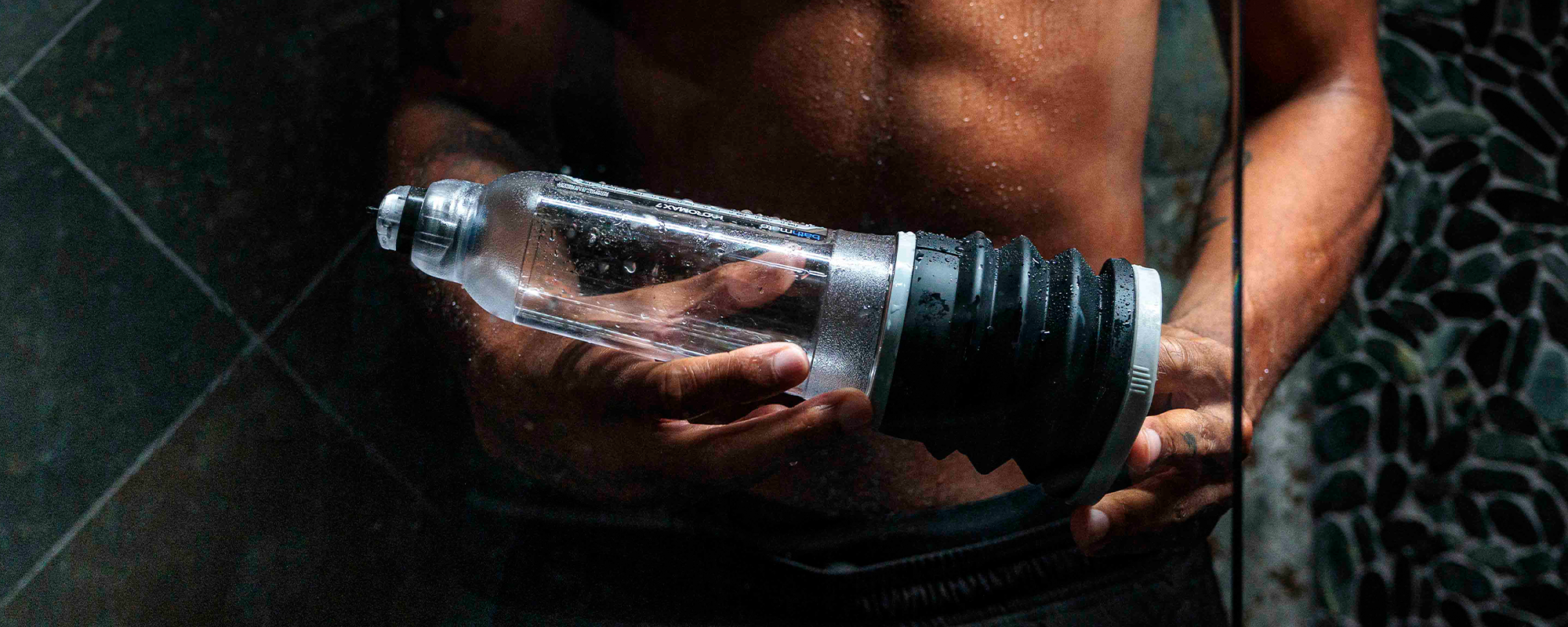
A hydropump creates gentle water pressure around the penis. That water sits between your skin and the pump wall, cutting down the direct friction you'd get from a dry, air-based pump. Water does the cushioning that air simply can't. Pump in the shower or bath, where warm water surrounds the skin, and you've got that buffer working for you from the start.
Soreness during or after a session is your body flagging that something in the routine needs a tweak. A seal that's not quite right, a session that's run past the recommended time, or skipping correct pump technique are the usual suspects.
Still sore after you've adjusted things? Check common pump side effects to see what's within the normal range and what isn't.
A pump routine that suits your skin isn't something you land on in one session. It's worth treating the first few weeks as a time to find the right pressure, timing, and water temperature for you, rather than expecting everything to feel right immediately.
Easing irritation once it's happened
Skin already sore? Here's what actually helps it recover:
-
Rest it. A day or two without friction is often all early friction burn needs to calm down.
-
A fragrance-free moisturiser or a thin layer of petroleum jelly helps protect the area as it heals.
-
Leave anything with alcohol, added fragrance, or actives like retinol on the shelf until it's fully recovered.
-
Loose, breathable underwear in the meantime. Tight fabric just reintroduces the exact friction that started this.
-
Hold off on sex, masturbation or pumping until the soreness has properly settled, not just eased slightly.
Friction burn and chafing are common, and for most men, they're gone within a few days without a trace. Notice what set it off, adjust your routine, and if it's not improving or it's getting worse, get a doctor to take a look.


Charlie Walsh
Learn MoreCharlie Walsh is a writer at Bathmate, specializing in creating informative, engaging, and relatable content about men’s health, confidence, and wellbeing. Through his writing, Charlie helps readers better understand Bathmate’s products and the science behind them—always with a focus on honesty, empowerment, and real-world results.
Share:
A ciência por trás da Bathmate: como funciona na prática
Heat Exposure and Sperm: Saunas, Hot Baths and Male Fertility