

Ever wondered if there’s really a difference between an STI and an STD?
You’re not alone. The two terms are often used interchangeably, which can make things a bit confusing. But understanding the distinction can help you better navigate conversations about sexual health, testing, and treatment.
So, let’s break it down: STI vs STD – what’s the deal?
What is an STI?
An STI, or sexually transmitted infection, is just that – an infection that’s transmitted through sexual contact. The key thing to note here is the word “infection.” With an STI, you might not have symptoms yet, but the infection is present in your body.
For example, chlamydia is a common STI that often doesn’t cause symptoms. You could have it for months without knowing, which is why regular testing is so important. Left untreated, it can progress and lead to complications.
What is an STD?
STD stands for sexually transmitted disease. This term is used when an infection has progressed to the point where symptoms are noticeable or there’s clear evidence of a disease.
Take HPV (human papillomavirus), for instance. It can start as an infection (STI) and then lead to warts or even cervical cancer (STD) if left untreated. In short, all STDs start as STIs, but not all STIs become STDs.
Key Differences Between STI and STD
Now that we’ve covered the basics, let’s dig a little deeper into what sets these terms apart.
Medical Definitions
STI refers to the presence of a pathogen in the body, while STD refers to an active disease caused by that pathogen. It’s a bit like the difference between being exposed to a virus and actually having symptoms of an illness.
Symptoms and Progression
STIs can exist without any symptoms, which is why regular testing is critical. On the other hand, STDs are often accompanied by noticeable symptoms like sores, discharge, or pain during sex. The progression from STI to STD depends on factors like the type of infection and how quickly it’s treated.
Diagnosis and Treatment
The diagnosis of an STI typically involves identifying the presence of the pathogen, even if there are no symptoms. STD diagnosis, on the other hand, usually focuses on identifying the disease and its symptoms. Treatment varies depending on the type of infection or disease, but early detection is key to effective management.
Why Understanding the Difference Matters
Knowing the difference between STI and STD isn’t just semantics – it’s about staying informed and taking control of your sexual health.
Getting in There Early
Catching an STI early means you can treat it before it develops into an STD. This reduces the risk of complications and protects your long-term health. If you’re unsure about your status, find out: how often do you need an STD test.
Impact on Health
Untreated STIs can lead to serious health issues, including infertility, chronic pain, or even an increased risk of certain cancers. Early treatment can prevent these outcomes and keep you healthy.
Preventing Transmission
Understanding whether you have an STI or an STD helps you make informed decisions to protect your partners. Practicing safe sex and getting regular tests can significantly reduce the risk of spreading infections.
Treatment Options for STIs and STDs

The good news? Both STIs and STDs are treatable, and many are even curable. Here’s what you need to know.
Treating STIs
STIs like chlamydia and gonorrhea are often treated with antibiotics. The sooner you start treatment, the better the outcomes.
Treating STDs
STDs such as herpes or HIV require ongoing management rather than a cure. Antiviral medications can reduce symptoms and prevent transmission, helping you lead a healthy, fulfilling life.
The Role of Vaccines
Vaccines play a crucial role in preventing some STIs and STDs. The HPV vaccine, for example, can protect against strains that cause genital warts and certain types of cancer.
The Bottom Line
Understanding the difference between an STI and an STD is more than just about definitions – it’s about taking charge of your sexual health. Regular testing, early treatment, and open conversations with your partner can make all the difference.
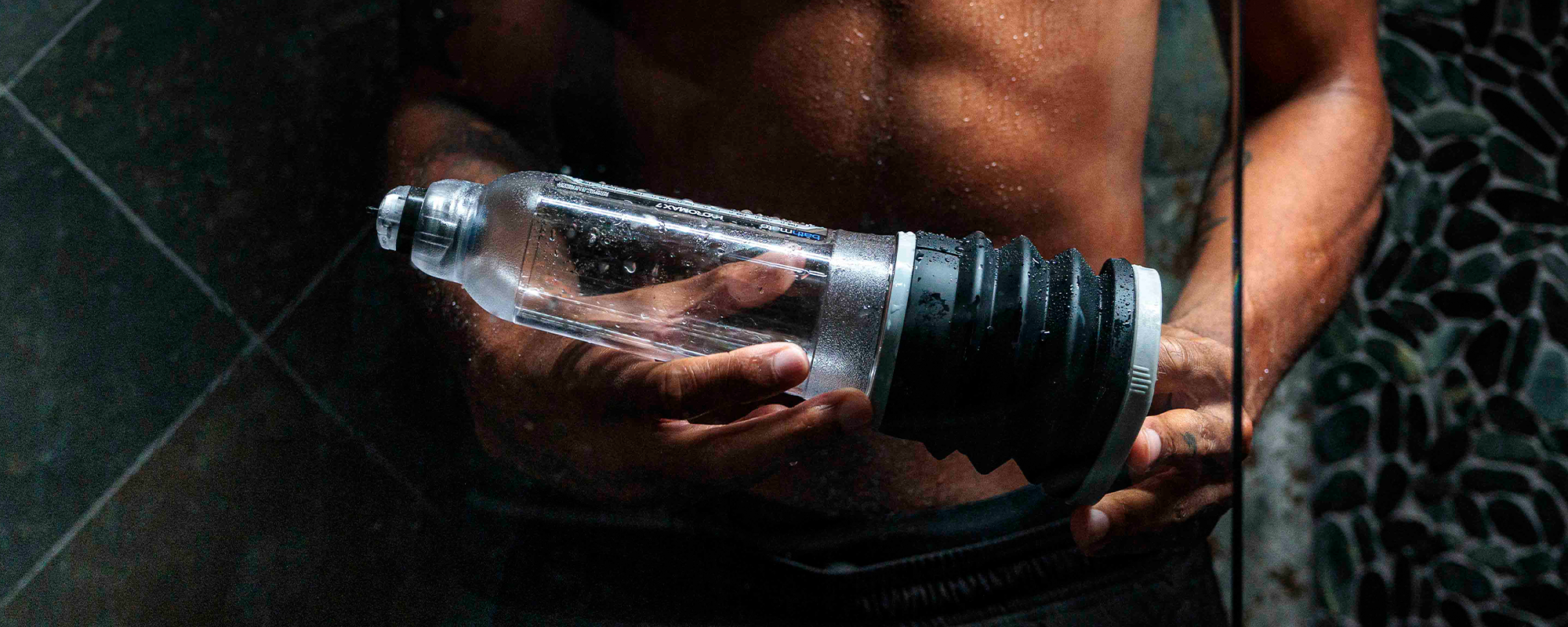
And while you’re taking care of your health, why not boost your confidence too? Check out our before and after dick pump pics to see how Bathmate can help you feel your best.
Remember, staying informed and proactive is the key to living your healthiest, most confident life.




Partilhar:
Pénis sensível: o que precisa de saber
Porque é que o meu pénis está seco?