


Let’s just address the awkward thing first: yes, I’m a woman writing about male birth control. No, I don’t have firsthand experience with what happens when you take the pill—but let’s be honest, plenty of men have written about periods, so consider this a bit of balance.
Now that we’ve cleared that up: birth control isn’t just a “women’s issue.” It never was. And while it’s true that most of the current options are designed for people with ovaries, things are finally (finally!) shifting. So, if you’ve ever found yourself Googling is there male birth control or what happens if a male takes birth control, you’re not alone—and you’ve landed in the right place.
Let’s break it down.
Defining Male Contraception
Male contraception, at its core, is anything that stops sperm from fertilising an egg. That could be through a barrier (blocking the sperm), a snip (stopping the sperm), or some clever science that messes with how sperm are made or how they move.
And just to clarify—we’re not talking about abstinence here. We’re assuming you’re still planning to have fun, just without the surprise endings.
Current Male Birth Control Options
So, what’s already out there? Well… not a lot. The current line-up is small but functional.
Condoms are the classic. Affordable, accessible, and they protect against STIs too. The problem? Not everyone likes them. In fact, why some men don’t like wearing condoms is a whole conversation in itself.
Then there’s vasectomy, which is more of a permanent move. It’s a surgical procedure that blocks or cuts the vas deferens, meaning no sperm in your ejaculate. It’s effective, quick, and becoming increasingly popular among guys who are done with baby-making. But yeah, it’s not something you do “just in case”—the reversal process isn’t guaranteed. (Obligatory Michael Scott joke here, of course).

Emerging Male Birth Control Methods
Here’s where it gets interesting.
Science has been working on this problem for decades—and while we don’t have a male “pill” on the pharmacy shelves just yet, we’re closer than ever.
Hormonal methods are one major area of development. These usually involve testosterone or a combo of hormones that suppress sperm production without tanking your sex drive (ideally). Clinical trials are ongoing, but side effects—like acne, weight changes, or mood swings—are part of the reason these haven’t gone mainstream yet. Yes, the irony isn’t lost on anyone.
Then there are non-hormonal options, which work by targeting the way sperm swim, mature, or are transported. Some aim to block the tubes temporarily, others aim to “stun” the sperm so they can’t do their thing. The goal here is reversible, side-effect-free control. Not too much to ask, right?
One of the most promising methods in development is RISUG—Reversible Inhibition of Sperm Under Guidance. It’s basically an injection into the vas deferens that coats the walls and renders sperm inactive. Sounds intense, but it’s been in human trials in India for years and is showing some serious promise. It’s also reversible, which is a big deal.
How Does Male Birth Control Work?
The mechanics vary depending on the method. Condoms act as a physical barrier. Vasectomies block the sperm highway. Hormonal methods work by tricking your brain into reducing sperm production. Non-hormonal approaches often aim to disrupt the way sperm function without affecting hormones at all.
The short version? Most of these methods interfere with either sperm production, movement, or delivery.
What Happens If a Male Takes Female Birth Control?
Ah yes, the curiosity question. If a man takes the pill designed for women, it doesn’t act as birth control. It just introduces female hormones—mainly estrogen and progestin—into his system. Over time, this can lower testosterone, reduce sperm production, shrink the testes, and possibly cause breast growth, mood changes, or reduced libido.
Basically: it’s not the shortcut to contraception you might think it is. It’s a hormonal rollercoaster with none of the benefits and quite a few potential downsides. So yeah, don’t do that.
Pros and Cons of Male Birth Control
On the pro side: more options mean more control, more fairness in relationships, and less pressure on women to bear the full weight of contraception. It’s a shift towards shared responsibility—and honestly, that’s overdue.
It can also be discreet, long-lasting, and potentially free of daily hassle (if you’re not into routines, this is a win).
On the downside? We’re still in early days. Most of these options aren’t available yet. Hormonal ones might come with unwanted side effects, and non-hormonal ones are still being tested. Plus, the cultural resistance is real—some guys just aren’t on board yet. But hey, that’s part of why we’re talking about it.
Final Thoughts
Male birth control isn’t science fiction anymore. It’s real, it’s happening, and it could change the whole dynamic of how we think about contraception. Whether you’re ready to take charge of your reproductive future, or just mildly curious about what’s coming next, staying informed is the first step.
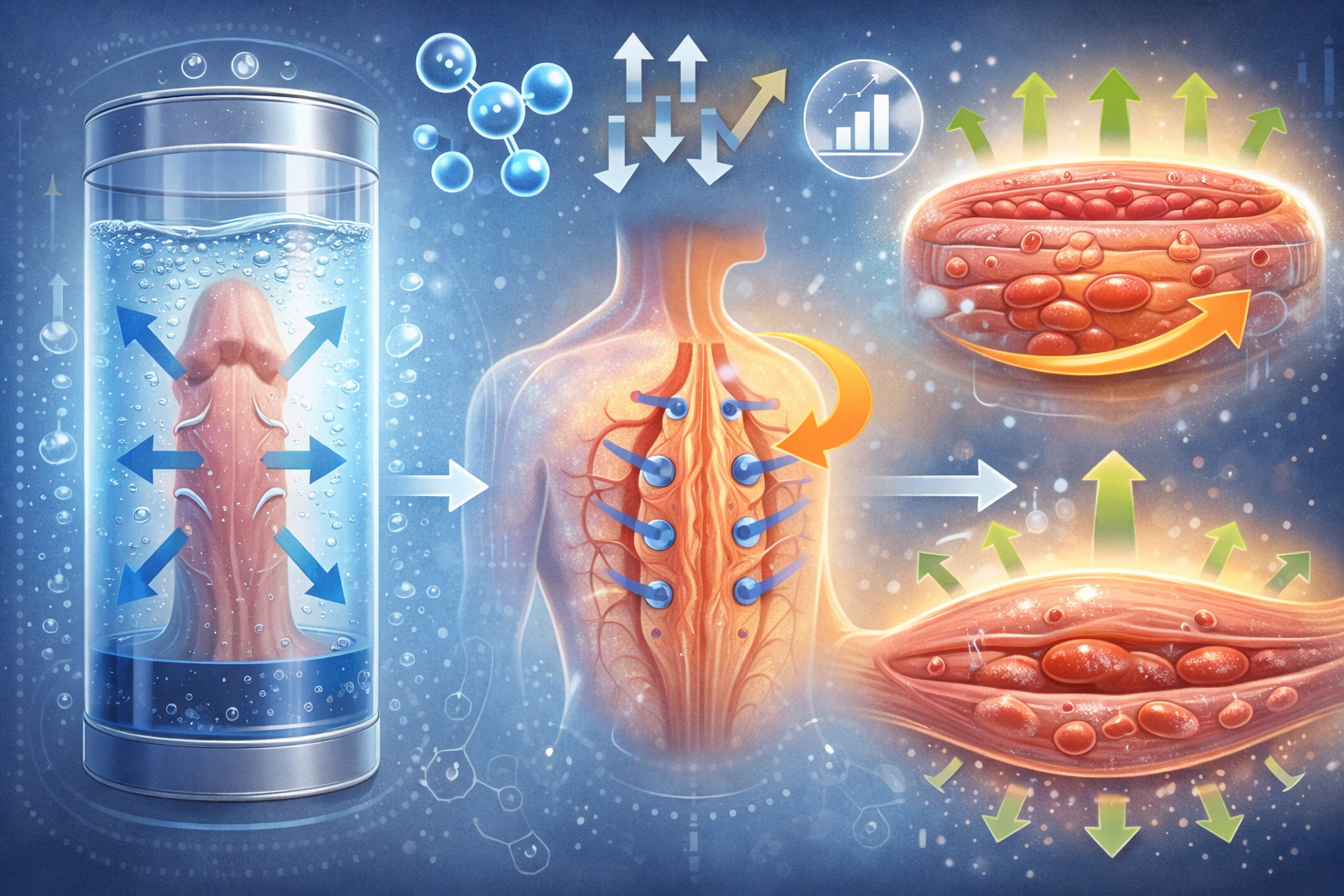
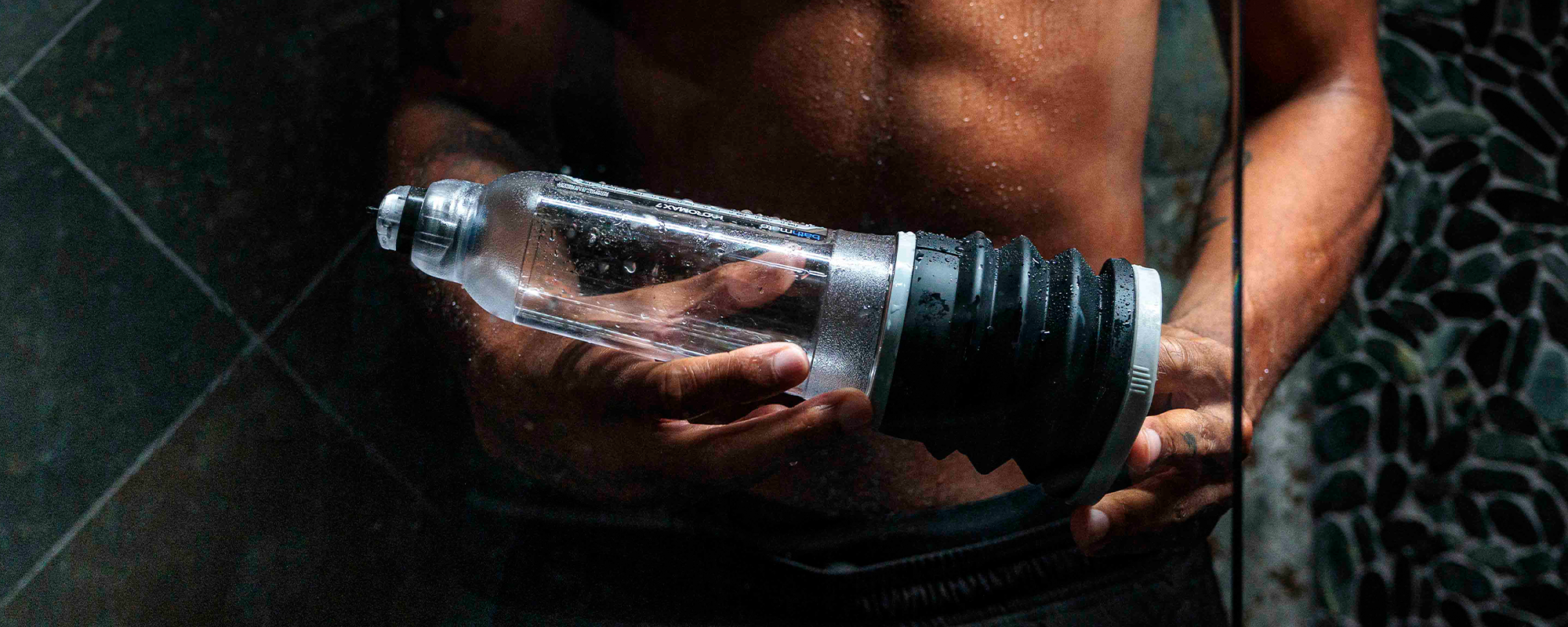
And if you’re exploring ways to feel more confident and in control in other areas too (like performance, comfort, or enhancement), it might be time to explore our full collection of penis-enhancing cock pumps and find what works for you.
So there you have it – the future of birth control isn’t just for women to figure out. And we’re totally here for that.




Share:
Circuncidado ou não: o guia direto de que todo o homem precisa
Dor pélvica nos homens: causas e tratamento